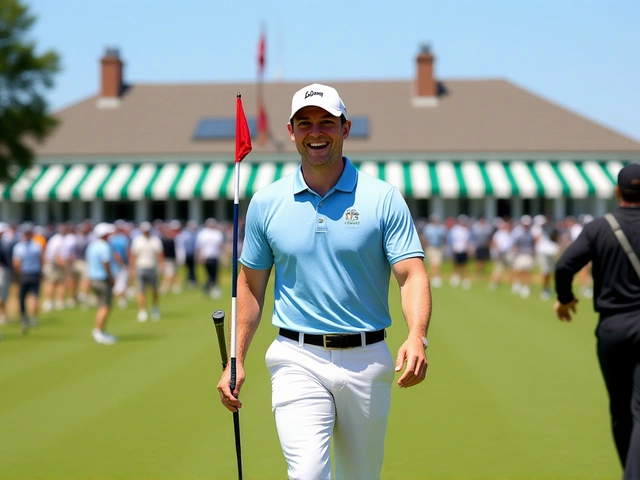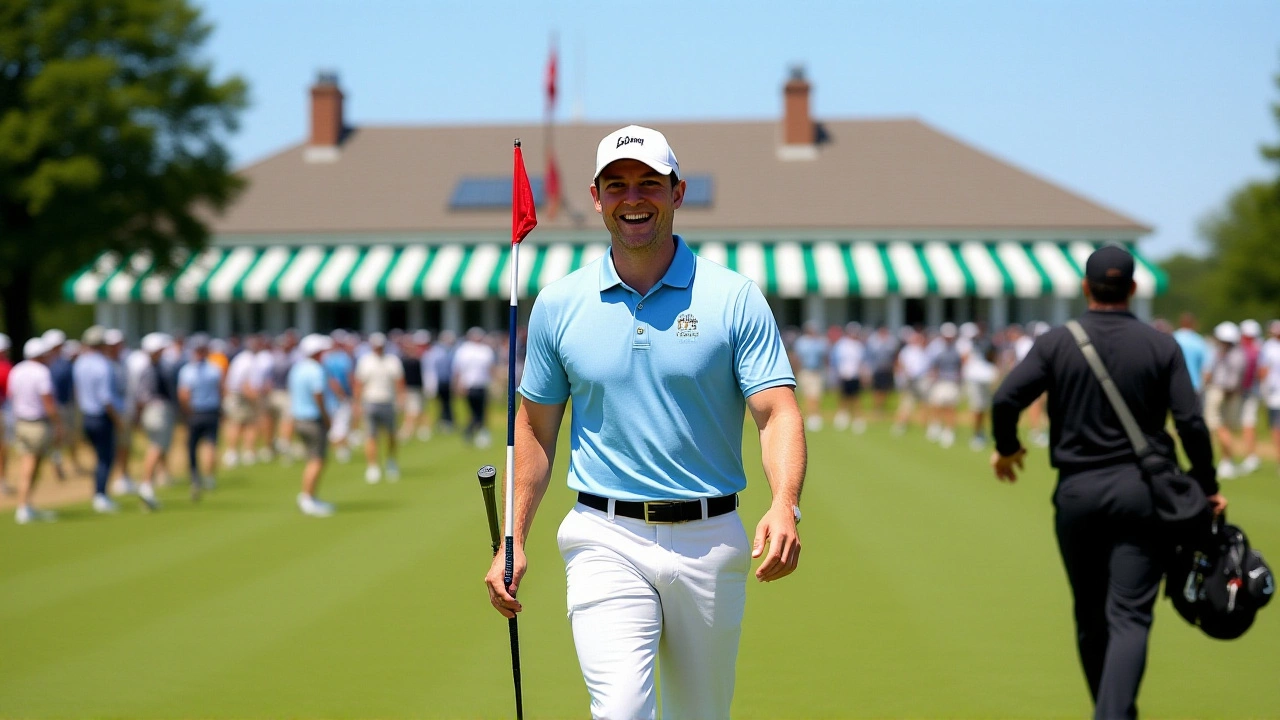
For Rory McIlroy, golfer from Northern Ireland, the quest for his elusive fourth major title isn't about swinging harder. It’s about waiting. As he prepares to tee off at Shinnecock Hills Golf Club, located on Long Island, New York, the world number one has identified patience as the single most critical factor in his bid for glory at the 2026 United States Open Championship.
The Northern Irishman isn’t just hoping for good luck; he’s banking on a specific mental discipline. With testing weather conditions expected to complicate an already punishing layout, McIlroy believes that forcing shots will be the difference between contention and early elimination. "I feel I have a successful strategy," he noted in recent comments picked up by Irish broadcaster RTÉ. "But the key factor is patience as we wait to see how Shinnecock Hills performs."
The Mental Game at Shinnecock Hills
Here’s the thing about Shinnecock Hills: it doesn’t forgive impatience. The course, nestled in the hamlet of Southampton on Long Island, is notorious for its thick rough, undulating greens, and coastal winds that can shift direction without warning. For a player with McIlroy’s power game, the temptation to dominate every hole is real. But history—and smart play—suggests otherwise.
McIlroy’s approach reflects a maturation in his big-tournament mindset. After years of near-misses and heartbreak at the US Open, including runner-up finishes in 2011, 2012, and 2018, he understands that this championship demands a different rhythm. It’s not about hitting the longest drives or sinking the biggest putts first. It’s about survival. It’s about managing the inevitable bad bounces and keeping your emotions in check when the wind picks up.
Turns out, this philosophy aligns perfectly with what experts are saying about the setup. Course architects and past champions have long warned that Shinnecock rewards players who can adapt to changing conditions rather than those who try to muscle their way through. McIlroy’s emphasis on patience suggests he’s internalized these lessons. He’s ready to let the course come to him, if necessary.
Tee Times and Timing: A Global Audience Watches
The logistics of the tournament add another layer of complexity. McIlroy is scheduled to tee off at 7:52 am local time. For fans back home, this translates to 12:52 pm British Summer Time (BST) or Irish Standard Time (IST), depending on which side of the border you’re watching from. This precise timing ensures maximum visibility across both the UK and Ireland, two regions where McIlroy’s popularity is immense.
Why does this matter? Because live coverage drives engagement. When McIlroy steps onto the first tee, millions of eyes will be glued to screens. The pressure is palpable. But McIlroy seems unfazed. In fact, he appears focused on controlling the controllables: his routine, his shot selection, and his emotional response to adversity.
The consistency in reporting across outlets like The Independent and the Roscommon Herald underscores the significance of this moment. Whether you’re reading in Dublin, London, or Roscommon, the message is clear: McIlroy is poised, prepared, and patient.
Weather Wildcards: Nature’s Role in the Outcome
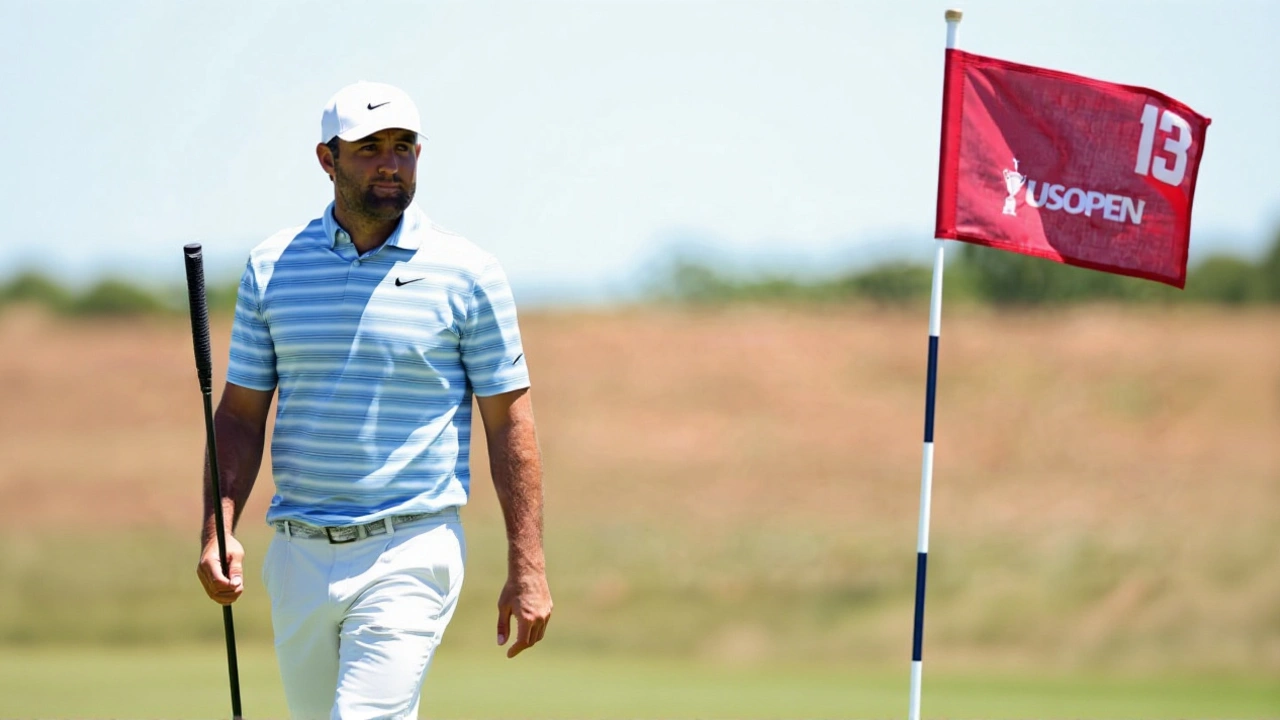
But wait—the weather forecast adds a wild card. Reports indicate that testing conditions are expected throughout the week. Wind speeds could vary significantly, affecting ball flight and club selection. Rain might soften the fairways, making them more playable, or harden them further, turning the course into a true test of precision.
Interestingly, McIlroy has experience playing in difficult weather. His victory at the 2014 Open Championship at Royal Liverpool came under overcast skies with gusty winds. He knows how to adjust. At Shinnecock, however, the stakes are higher. One wrong decision in high winds can cost three strokes. Two wrong decisions can end your tournament.
This is why patience isn’t just a virtue—it’s a necessity. Players who rush their swings or choose aggressive lines when conservative ones are called for often find themselves in trouble. McIlroy’s plan is simple: stay calm, assess each situation carefully, and avoid unnecessary risks.
The Bigger Picture: Chasing More Major Glory
Sky Sports frames McIlroy’s campaign within a broader narrative: the pursuit of additional major championships. Having won three majors—the 2011 PGA Championship, the 2012 Open Championship, and the 2014 Open Championship—he’s now seeking to cement his legacy as one of the all-time greats. The US Open remains the missing piece of the puzzle.
Can he find the winning strategy for more major glory? That’s the question hanging over the tournament. Sky Sports’ headline asks whether McIlroy can finally conquer the US Open, suggesting that his previous efforts fell short due to a lack of strategic flexibility. If patience is indeed the key, then McIlroy may have cracked the code.
Consider this: Tiger Woods won the US Open four times, but only after refining his approach to suit the unique challenges of each venue. Jack Nicklaus won it six times, adapting his style to different eras and courses. McIlroy stands on the shoulders of these giants, learning from their successes and failures.
What’s Next for McIlroy?
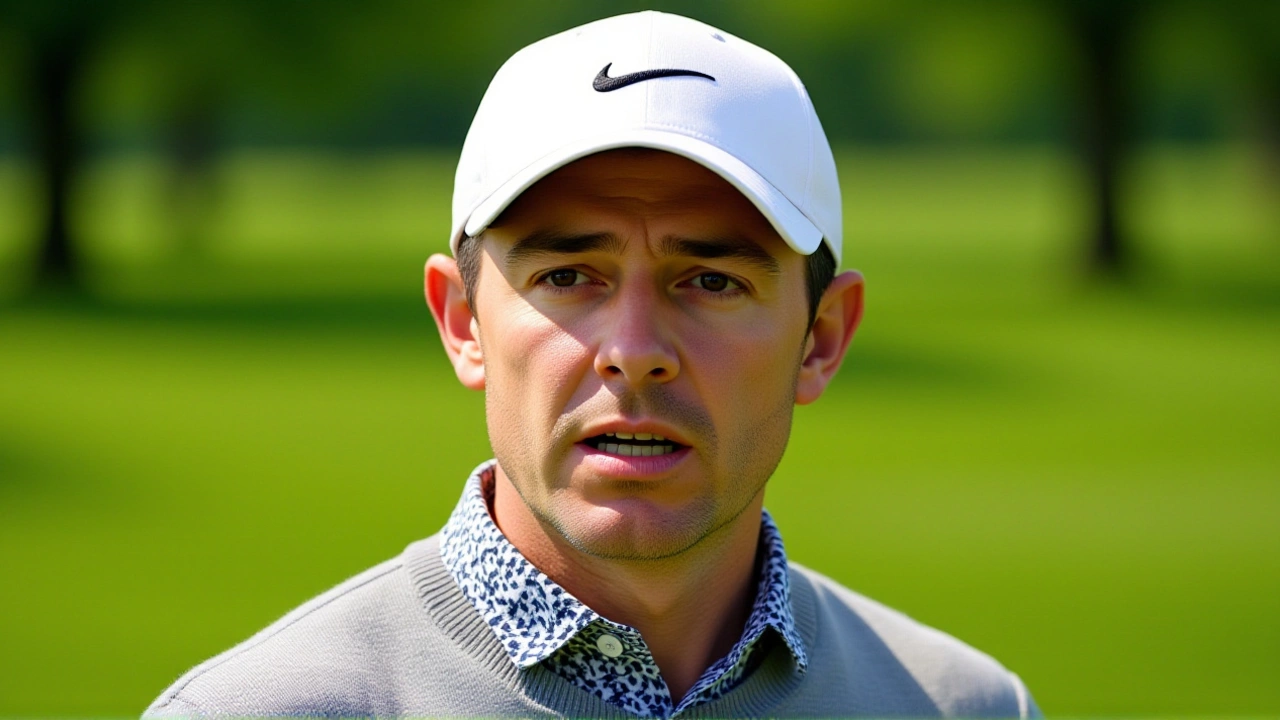
As the tournament unfolds, all eyes will be on how McIlroy executes his patient strategy. Will he stick to his guns when others go aggressive? Will he maintain composure when the weather turns nasty? These questions will define his chances.
If he succeeds, it won’t just be another win. It’ll be validation of his growth as a competitor. It’ll prove that he’s evolved from a talented young pro into a seasoned veteran capable of handling any challenge. And for fans around the world, it’ll be a reminder that sometimes, the best offense is a good defense.
Keep an eye on the leaderboard. Watch how McIlroy handles pressure. Listen to his post-round interviews. Every detail matters. Because in golf, especially at the US Open, small advantages compound quickly. And right now, McIlroy looks like he’s building something special.
Frequently Asked Questions
Why is patience so important at Shinnecock Hills?
Shinnecock Hills features thick rough, uneven lies, and unpredictable wind patterns that punish aggressive play. Patience allows players to manage risk, avoid costly mistakes, and capitalize on opportunities when they arise. Forcing shots leads to errors, while thoughtful decision-making keeps scores manageable.
When does Rory McIlroy tee off at the 2026 US Open?
McIlroy tees off at 7:52 am local time on Long Island. This corresponds to 12:52 pm British Summer Time (BST) and Irish Standard Time (IST). The early start ensures prime-time viewing for audiences in Europe, particularly in the UK and Ireland.
How many major championships has Rory McIlroy won?
As of 2026, McIlroy has won three major championships: the 2011 PGA Championship, the 2012 Open Championship, and the 2014 Open Championship. He is currently competing in his bid to win the US Open, which would complete his set of all four majors.
What role does weather play in the outcome of the US Open?
Weather significantly impacts scoring conditions and player performance. Wind affects ball trajectory and distance control, while rain can alter green speeds and firmness. Players must adapt their strategies based on daily forecasts, making flexibility crucial for success.
Who else is competing in the 2026 US Open at Shinnecock Hills?
The field includes top-ranked professionals such as Scottie Scheffler, Jon Rahm, and Brooks Koepka, among others. Each brings unique strengths and weaknesses, creating a highly competitive environment where any player can emerge victorious.