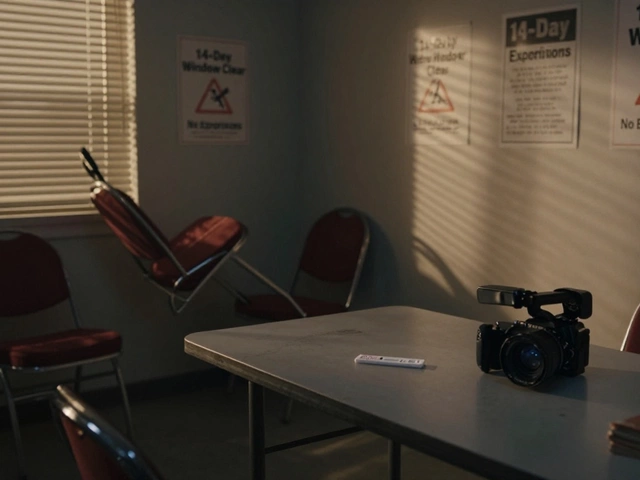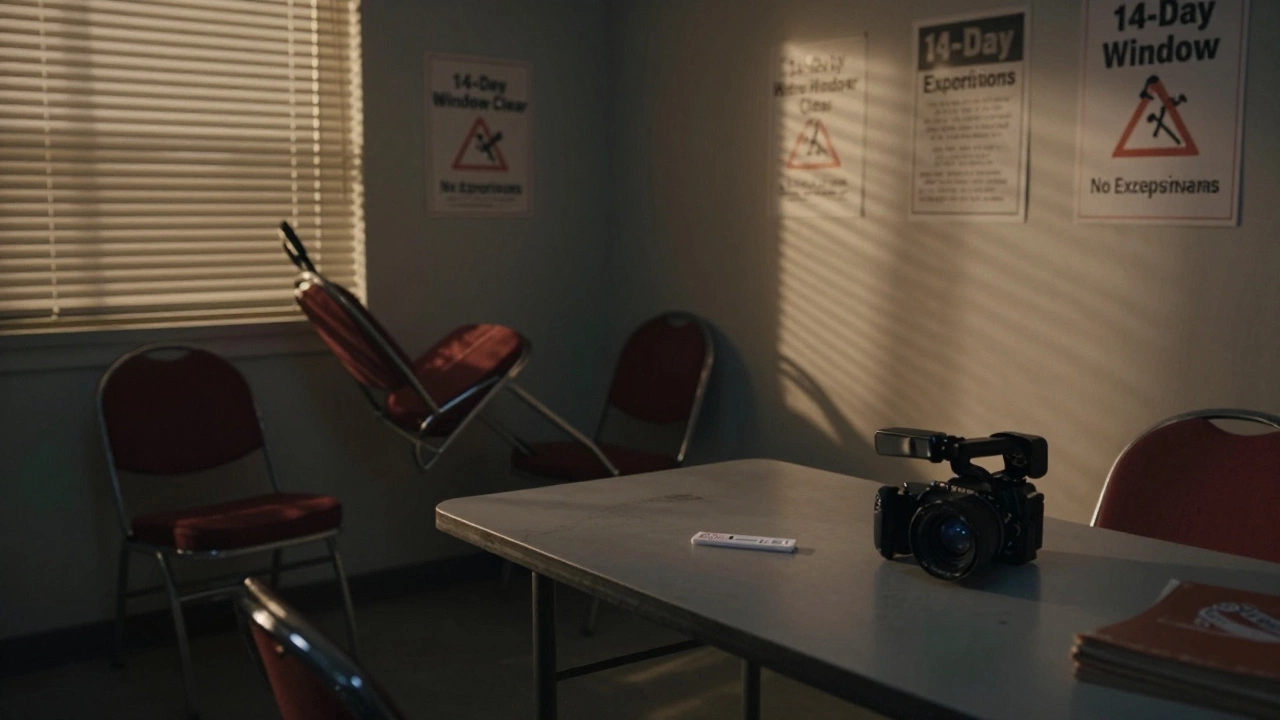
The adult film industry in the United States paused nearly all production in late 2024 after a single positive HIV test triggered a full-scale crisis. What started as an isolated case quickly spiraled into a systemic shutdown, with major studios like Evil Angel, Reality Kings, and New Sensations pulling their crews off set. This wasn’t the first time HIV had surfaced in the industry - but it was the first time the entire ecosystem froze in response. For decades, performers relied on a strict testing regime, with mandatory biweekly screenings and a 14-day waiting period between scenes. That system, once considered the gold standard, suddenly looked fragile.
Behind the scenes, some performers had begun pushing back on the testing schedule, citing burnout and the emotional toll of constant surveillance. A few even turned to freelance gigs outside the major studios, where testing was inconsistent or nonexistent. One performer, who spoke anonymously, said they’d recently booked a shoot with a small crew in Las Vegas - no formal lab results, just a handshake and a promise. That’s when the industry’s fragile trust began to crack. And then came the call: a performer tested positive. Not for syphilis, not for gonorrhea - for HIV. The studio immediately shut down. Within 48 hours, every major production in California was on hold.
Meanwhile, the ripple effects spread far beyond film sets. Distributors paused new releases. Marketing teams canceled campaigns. Pay-per-view platforms pulled content. Even performers who had never been on set in years found themselves caught in the fallout, their old videos suddenly deemed "unsafe" by platforms fearing liability. Some performers reported being asked to retest before being allowed to appear in archived footage. Others were told their contracts were suspended indefinitely. The industry had built its reputation on safety - now, it was being forced to rebuild it from scratch.
How the Testing System Worked - and Why It Failed
The adult film industry’s testing protocol was once its biggest selling point. Performers submitted blood samples every 14 days to a centralized lab, with results verified by a third-party agency. If someone tested positive, their name was immediately removed from the rotation. Studios only hired performers who were "clear" for at least 30 days. It was a system designed to prevent outbreaks, and for years, it worked. There were no known cases of HIV transmission on set between 2012 and 2023.
But cracks appeared in 2024. A new generation of performers, raised on social media and gig economy platforms, didn’t always follow the same rules. Some booked work through private channels, outside studio oversight. Others skipped tests to save time or money. A few even admitted to lying about their status to keep working. The system assumed everyone was playing by the same code. When one person didn’t, the whole structure collapsed.
What made this outbreak different was the speed of the response. In 2015, when a similar case emerged, the industry issued a statement and tightened protocols. This time, they didn’t wait. They stopped everything. The message was clear: safety wasn’t negotiable anymore.
The Human Cost of the Shutdown
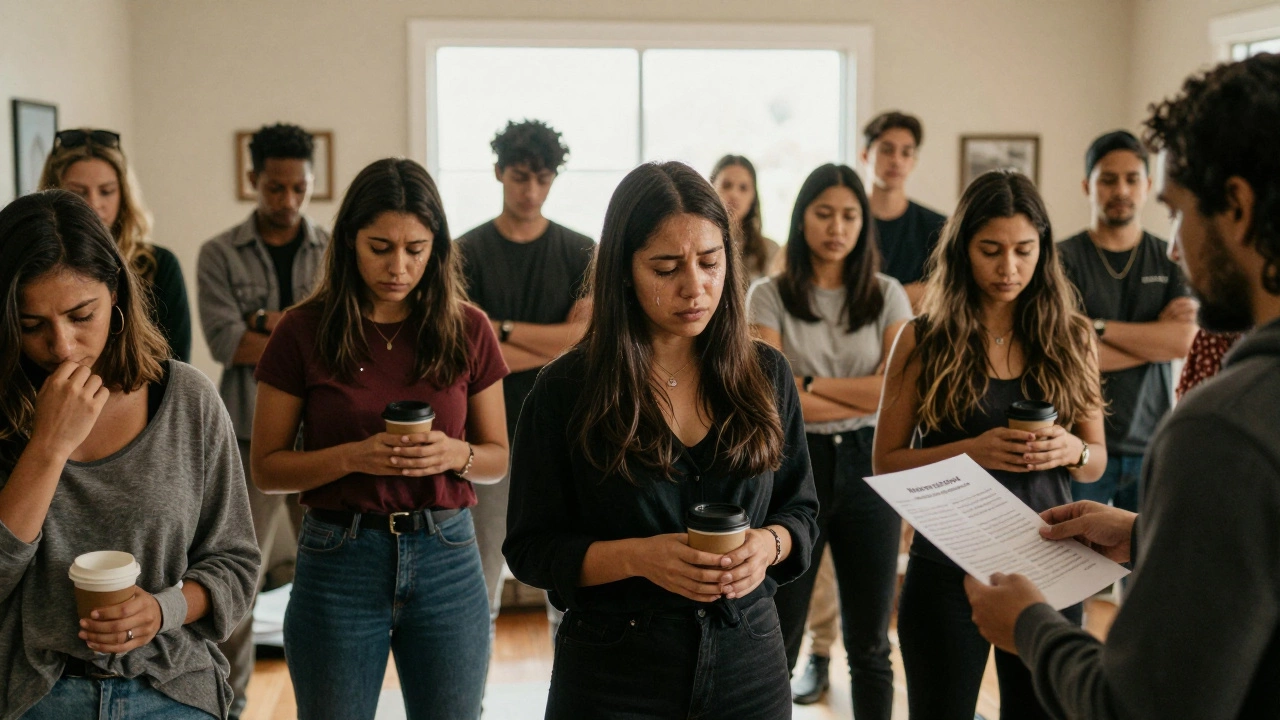
Behind the headlines are hundreds of people who lost income overnight. Many performers are freelance workers with no benefits, no unemployment insurance, and no safety net. Some had rented homes near studios, taking on debt to stay close to work. Others had quit day jobs to focus on filming full-time. Now, they’re scrambling. One performer, who goes by the stage name Lila, told a local news outlet she was working two shifts at a diner just to cover rent. "I didn’t sign up for this," she said. "I signed up to be in control of my body. Now I feel like I’m being punished for someone else’s mistake."
Support groups formed in Los Angeles and Atlanta, offering food assistance, mental health counseling, and legal aid. But the money wasn’t there. Crowdfunding campaigns raised just over $120,000 - a fraction of what was needed. Meanwhile, studios sat silent, waiting for new guidelines from health officials.
What’s Next for the Industry?
As of December 2025, no new productions have resumed. Health departments in California and Nevada are working with industry leaders to draft new rules. Proposed changes include: daily rapid HIV testing for all on-set personnel, mandatory use of PrEP for performers, and a ban on private shoots without third-party verification. Some are pushing for a centralized blockchain-based testing ledger, so results can’t be falsified. Others want to bring in public health workers to oversee screenings.
But there’s resistance. Many performers fear the new rules will be too expensive, too invasive, or too slow. One veteran performer said, "If I have to get tested every day just to work, I’m not working. I’m not a lab rat." The industry is now at a crossroads: go full medical model, or risk losing its credibility entirely.
Outside the U.S., the situation is even more uncertain. In Europe, some studios have quietly resumed filming under stricter local laws. In Spain and Germany, performers must now carry digital health passports. In France, a new law requires all adult film workers to be registered with the national health system - a move that’s drawn both praise and criticism.
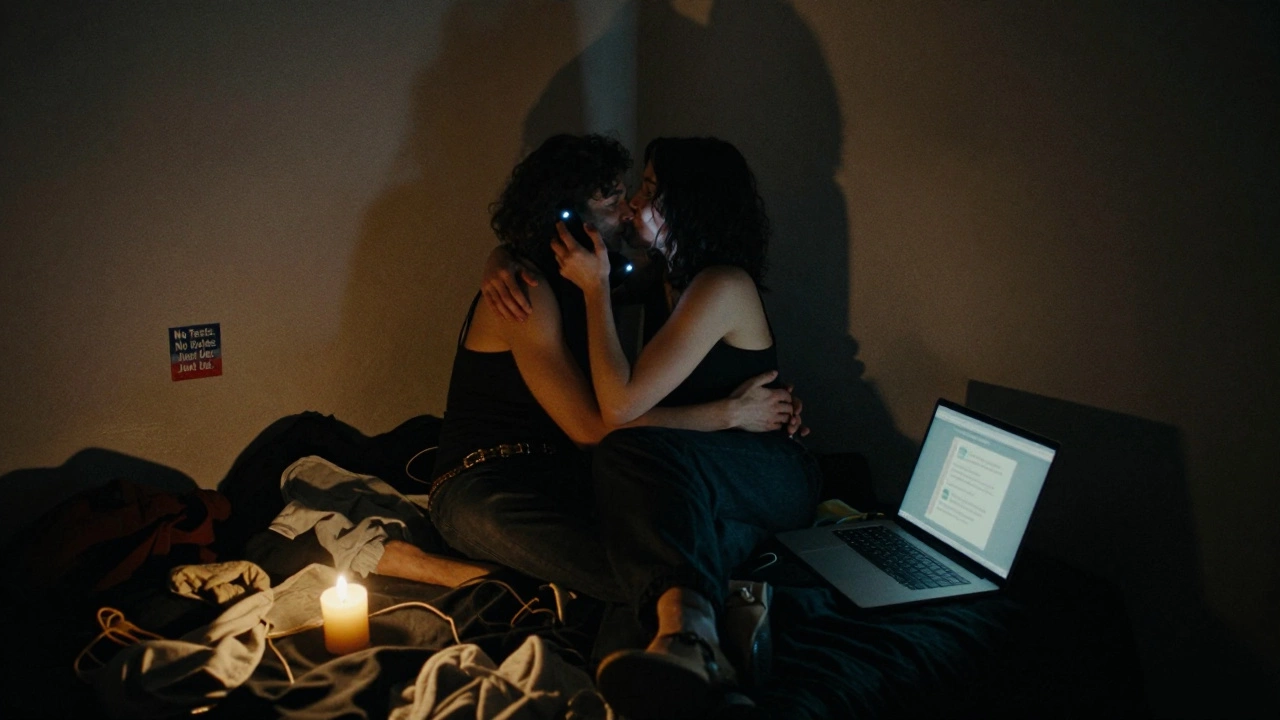
And then there are the underground scenes. With studios offline, some performers have turned to private bookings - often arranged through social media or encrypted apps. These gigs are unregulated, untested, and untraceable. They’re also the most dangerous. One performer in Paris recently shared a photo of a shoot on Instagram - the caption read: "No tests. No rules. Just us." The post was deleted within hours. But not before someone noticed the location tag: escort noire paris.
Why This Matters Beyond Adult Film
This isn’t just about pornography. It’s about how society treats sexual labor, consent, and bodily autonomy. The adult film industry was one of the few spaces where performers had real control over their work conditions - and now, that control is being stripped away. Critics argue the shutdown is a victory for safety. Supporters say it’s a surrender to fear.
What’s clear is that the old model is gone. The industry can’t go back to the way things were. But it also can’t afford to become a ghost town. The next few months will determine whether it survives as a legitimate business - or fades into the shadows.
What Performers Can Do Right Now
- Get tested at a public clinic - even if you’re not working, know your status
- Reach out to industry support groups like the Adult Performer Advocacy Committee (APAC)
- Document any lost income or contract cancellations - legal claims may be possible
- Consider enrolling in PrEP if you’re sexually active and not already on it
- Don’t isolate. Talk to others going through the same thing
There’s no quick fix. But there is a path forward - if the industry chooses to walk it.
Meanwhile, the Paris-based escort scene continues to operate under its own rules - unregulated, unseen, and untouched by the U.S. shutdown. One performer in Paris told a journalist: "We don’t have a studio to answer to. We have each other. And we know how to protect ourselves." It’s a different world - but maybe, just maybe, it’s a more honest one.