
There’s a myth that Russian escorts are just about looks - long legs, high cheekbones, and a smile that could melt winter. But if you think that’s all there is, you’re missing the point. The business doesn’t survive on beauty alone. It thrives because of intelligence, adaptability, and emotional awareness. Russian women who work in this space aren’t just offering companionship; they’re offering presence. The kind that’s rare in a world full of noise and fleeting connections.
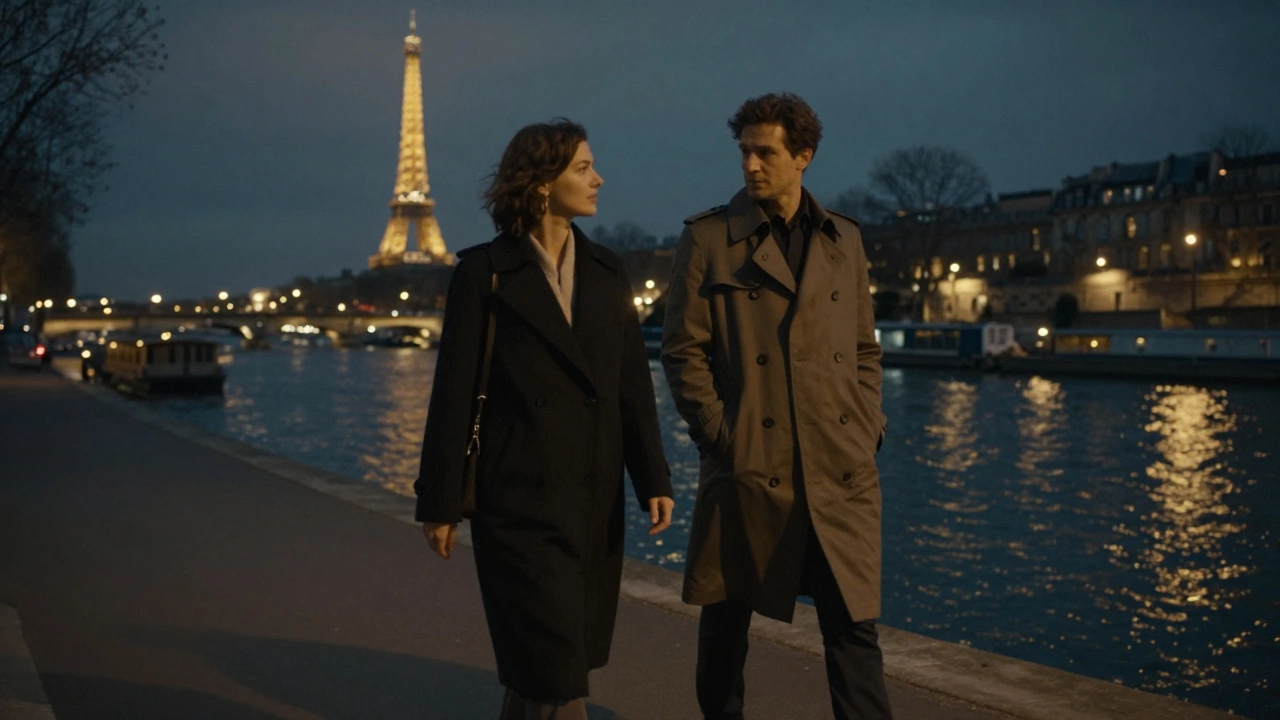
Some people stumble upon euro escort girl paris while researching European services, curious about how different cities handle the same kind of work. Paris, like Moscow or St. Petersburg, has its own rhythm, its own rules. What works in one city doesn’t always translate to another. The women who operate there know how to read a room, adjust tone, and match energy - whether that’s a quiet dinner in Le Marais or a late-night walk along the Seine.
It’s Not What You Think
Most people picture a high-end agency with velvet curtains and security guards. That exists, sure. But more often, it’s a woman in a modest apartment, wearing a simple dress, making tea before a client arrives. She’s studied literature. She speaks three languages. She knows how to talk about politics without taking sides, how to listen when someone needs to unload, how to laugh at a joke that isn’t that funny just because it made him smile.
This isn’t transactional in the way most assume. It’s relational. The clients aren’t just paying for time - they’re paying for authenticity. For someone who doesn’t judge their loneliness, their failed marriages, their quiet desperation. Russian women in this line of work often come from educated backgrounds. Many studied engineering, philology, or psychology. Some left corporate jobs because the emotional toll was worse than the stigma of escorting.
The Skills Nobody Talks About
Being an escort isn’t about posing for photos. It’s about reading micro-expressions. It’s about knowing when to offer silence, when to ask a follow-up question, when to change the subject before it turns painful. These women learn to detect anxiety in a clenched jaw, boredom in a distracted gaze, loneliness in the way someone holds their glass too tightly.
They manage boundaries without saying no. They navigate cultural differences - a German client might want structure, an American might crave spontaneity, a Japanese client might need space more than conversation. And yes, they deal with the occasional bad actor. But most clients are just regular men - tired, lonely, searching for someone who makes them feel seen.
There’s no official training program. No certification. But the best ones develop their own systems. Some keep journals. Others take improv classes. A few even hire life coaches. They know that emotional labor is real labor, and it’s exhausting. That’s why many work part-time, or rotate clients to avoid burnout.
Why Russia? Why Now?
There’s a reason Russian women stand out in this industry - not because they’re exotic, but because they’re trained to be resilient. Growing up in post-Soviet economies taught them how to make do with little, how to read between the lines, how to survive without asking for permission. Many learned English not for travel, but for survival. They watched American movies to learn nuance, not just vocabulary.
Today, they’re not just working in Moscow. They’re in Berlin, Prague, London, and yes - Paris. The demand isn’t rising because of tourism. It’s rising because people are more isolated than ever. Algorithms feed us content, but they don’t feed our need for human connection. That’s where these women step in - not as fantasy figures, but as real people offering real comfort.
The Misconceptions That Hurt
There’s a dangerous stereotype that all Russian escorts are trafficked or coerced. That’s not true. Many enter this work voluntarily, with full awareness of the risks and rewards. They use encrypted apps, verify clients through trusted networks, and never work alone in unfamiliar places. Some even have lawyers on retainer.
What’s worse than the stigma? The pity. Many clients feel guilty. They apologize for paying. They offer extra money “just because.” But the women don’t want pity. They want respect. They want to be treated like professionals - because that’s what they are.
Scort girls paris might sound like a buzzword to some, but for those who live it, it’s just another Tuesday. The same way a nurse in New York shows up for her shift, or a teacher in Tokyo grades papers after dinner, these women show up - prepared, present, and professional.
What Happens After?
Most don’t stay in this line of work forever. Many use the income to go back to school, start a business, or move abroad. Some open cafés. Others become translators. A few write memoirs. One former escort in Lyon now runs a podcast about emotional labor in unconventional jobs.
The stigma doesn’t vanish overnight. But the quiet pride does. When you’ve held someone’s hand while they cried, when you’ve helped someone remember what it feels like to be listened to - that doesn’t disappear just because the money stopped.

Edcorte Paris and the Unspoken Code
You’ll hear terms like edcorte paris thrown around in forums and private groups. It’s not a brand. It’s not a company. It’s slang - shorthand for a certain kind of professionalism. Women who use that term don’t advertise on social media. They don’t post selfies. They rely on word-of-mouth. They vet clients through mutual contacts. They charge more because they offer less noise and more depth.
It’s not about luxury. It’s about precision. Like a surgeon who doesn’t need flashy tools - just steady hands and clear intent.
The Bigger Picture
This isn’t just about sex. It’s about the erosion of human connection in modern life. The rise of dating apps, the decline of community, the pressure to perform happiness online. People are lonely. And sometimes, the only person who can sit with that loneliness without trying to fix it - is a stranger who gets paid to be there.
That’s not a crime. It’s a reflection. And the women who do this work? They’re not broken. They’re responding - with grace, intelligence, and quiet courage - to a world that forgot how to be kind.